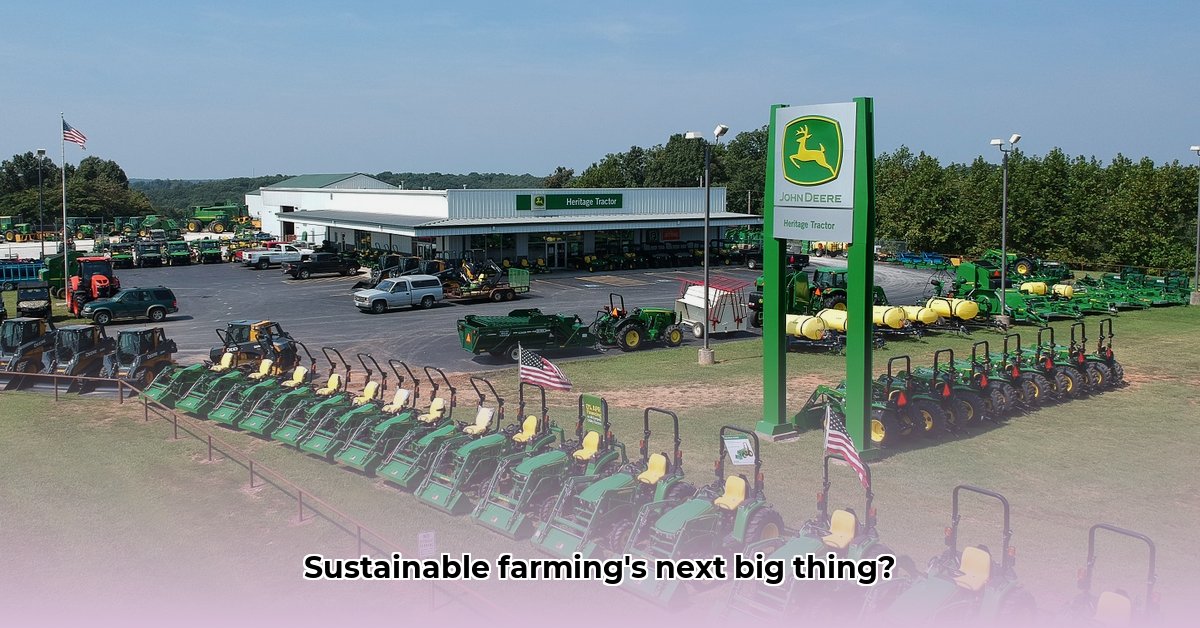
Heritage Tractor's Expansion: A Growing Force in Missouri Agriculture
Heritage Tractor is significantly expanding its footprint in Missouri, adding 22 new locations, including a key presence in Lamar. Learn more about their Lamar location here. This ambitious growth strategy signals not only economic confidence but also a commitment to strengthening the local agricultural community and promoting sustainable farming practices. The expansion represents a significant investment in Missouri's agricultural infrastructure, potentially boosting local economies and creating numerous jobs. However, the true long-term impact on sustainability remains to be fully assessed. How will this rapid expansion affect the environment?
Community Engagement: Beyond the Tractor Dealership
Heritage Tractor's approach transcends simple sales; it emphasizes community engagement. Initiatives like the annual "Trick-or-Tractor" event and "Farm Safety Day" demonstrate a commitment to building relationships with local families and fostering safety awareness within the farming community. These events aren't merely marketing strategies; they are integral to building trust and goodwill, crucial for cultivating a loyal customer base. "These events are a highlight of our year," says Sarah Miller, a Lamar resident and frequent attendee.
Sales and Service: A Customer-Centric Approach
Heritage Tractor's success relies on a customer-centric approach. They attract and retain clients through promotions and exceptional service. This strategy, while effective for short-term growth, necessitates careful management to ensure long-term profitability. Balancing affordability with sustainable business practices is a challenge they must constantly navigate. Maintaining strong customer relationships while ensuring financial stability is key to their continued success in the competitive agricultural market.
Sustainability: A Journey Towards Responsible Practices
While Heritage Tractor champions community engagement, comprehensive data regarding their environmental impact remains limited. Specific metrics on fuel efficiency, waste reduction, and other environmental practices are currently unavailable. This lack of transparency presents a challenge that requires immediate attention. However, their community engagement indirectly suggests a potential commitment to long-term sustainability. Future initiatives could include integrating renewable energy sources into their operations and implementing robust recycling programs. Furthermore, detailed sustainability reporting is necessary for complete transparency and accountability.
Economic Considerations: Navigating Market Volatility
The agricultural sector is inherently volatile. Fluctuations in crop prices and equipment costs pose significant economic risks to Heritage Tractor. Their reliance on promotional sales, while effective for short-term customer attraction, could lead to long-term economic vulnerabilities. Mitigation strategies, including diversification of product offerings and financial hedging against market volatility, are crucial for securing long-term stability and resilience.
Conclusion: Balancing Growth with Sustainability
Heritage Tractor's expansion represents significant economic and community development in Missouri. Their commitment to community engagement is laudable, but comprehensive data and transparency regarding their environmental impact are crucial for long-term success. A data-driven approach to sustainability, including investments in renewable energy and transparent reporting, is essential to assess the true impact of their growth on the environment and to ensure sustainable practices are at the forefront of their business model. The future success of Heritage Tractor will depend on their ability to integrate robust sustainability reporting with their commitment to community and economic growth.
Key Takeaways:
- Significant Expansion: Heritage Tractor's 22 new locations demonstrate substantial growth and investment in Missouri's agriculture sector.
- Community Focus: Their community engagement strategies build trust and foster positive relationships with local farmers and residents.
- Sustainability Imperative: A lack of detailed environmental data underscores the urgent need for comprehensive sustainability reporting.